Why an Oil Change Is Essential
Engine oil performs several critical functions inside your car’s engine. It lubricates moving parts, reduces friction, absorbs heat, and prevents contaminants from forming harmful sludge. Over time, oil loses its viscosity and becomes contaminated with dirt, fuel residues, and metal particles. Without proper lubrication, the engine has to work harder, increasing wear and reducing fuel efficiency.
In Singapore, short-distance trips and frequent idling put extra stress on engines. This makes a timely oil change even more important, as clean oil ensures that your engine components stay cool, efficient, and protected under heavy use.
Engine oil circulates continuously through your car’s lubrication system, flowing through critical components such as the pistons, camshaft, and crankshaft. It forms a thin film between metal parts to reduce friction and minimize direct contact. The oil also traps carbon and microscopic debris, carrying them to the oil filter, where they’re removed from circulation.
However, after several thousand kilometers, oil molecules break down and lose their ability to protect effectively. This is why every car manufacturer recommends a specific oil change interval — typically every 8,000 to 10,000 km — or every six months, whichever comes first.
Types of Engine Oil
When getting an oil change in Singapore, you’ll typically choose between several types of oil depending on your vehicle and driving habits:
• Mineral Oil:
Derived from refined crude oil, it’s affordable and suitable for older engines or low-mileage drivers.
• Semi-Synthetic Oil:
A blend of mineral and synthetic oils, offering improved performance and better protection at higher temperatures.
• Fully Synthetic Oil:
The premium choice — engineered for maximum performance, smoother operation, and longer life. Ideal for modern engines and high-performance vehicles.
• High-Mileage Oil:
Specially formulated with seal conditioners to reduce oil consumption and leaks in older cars.
Workshops in Jurong, such as Carswift Repair in Singapore stock leading brands like Mobil 1, Shell Helix Ultra, and Castrol EDGE, ensuring the right oil is used for your specific engine type.
What Happens During a Professional Oil Change
A professional oil change involves much more than draining old oil and refilling new fluid. A proper service includes a detailed check of your vehicle’s entire lubrication system:
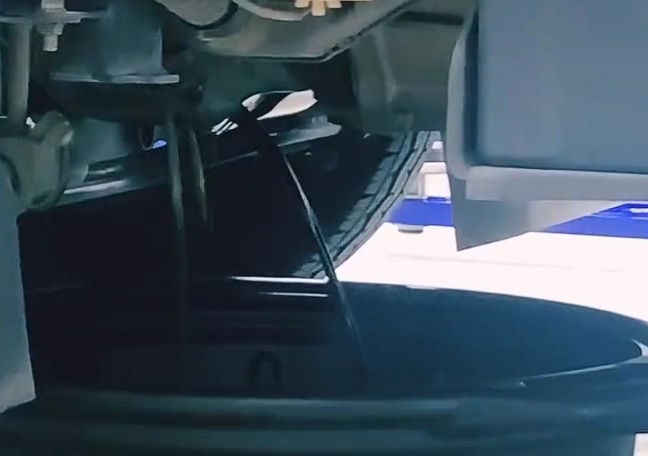
• Draining Old Oil:
The old, degraded oil is drained completely while the engine is warm, allowing contaminants to flow out easily.
• Oil Filter Replacement:
The oil filter, which traps dirt and debris, is replaced with a new one to maintain clean circulation.
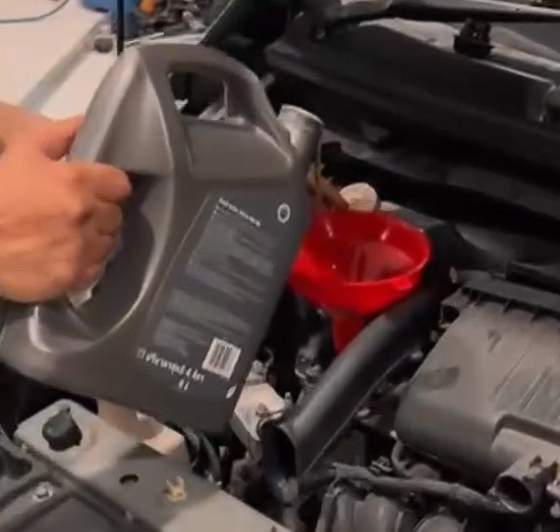
• Filling Fresh Engine Oil:
The technician refills the engine with the manufacturer-recommended grade and viscosity of oil.
• Inspection and Top-Up:
Other fluids — coolant, brake fluid, and transmission oil — are checked and topped up as needed.
• Resetting the Oil Indicator:
Modern vehicles require the dashboard oil service reminder to be reset to track the next servicing accurately.
• Visual Inspection:
The mechanic inspects for oil leaks, worn gaskets, or damaged filters to prevent future issues.
How Often Should You Change Your Oil?
The frequency of oil changes depends on driving conditions, vehicle type, and oil quality.
Conventional or semi-synthetic oil: Every 5,000–8,000 km or every six months.
Fully synthetic oil: Every 10,000–12,000 km or annually.
Drivers who spend long hours in Singapore’s traffic, drive short distances daily, or frequently idle their engines should service more often due to faster oil degradation. Following the manufacturer’s service schedule helps avoid voiding warranties and ensures optimal engine protection.